Home Audio
Dynaudio Focus Deep Dive | The R&D Inside Story
124 views
Become acquainted with the Dynaudio Focus family: https://www.dynaudio.com/home-audio/f...
Follow Us
► YouTube / dynaudio
► Facebook https://www.facebook.com/DynaudioGroup
► Twitter https://twitter.com/dynaudio
► Instagram https://instagram.com/dynaudio/
► LinkedIn https://www.linkedin.com/company/dyna...
Find a Dynaudio dealer: http://www.dynaudio.com/find-dealer/
Visit Dynaudio: http://www.dynaudio.com
#DyanudioHome #DynaudioFocus
View transcript
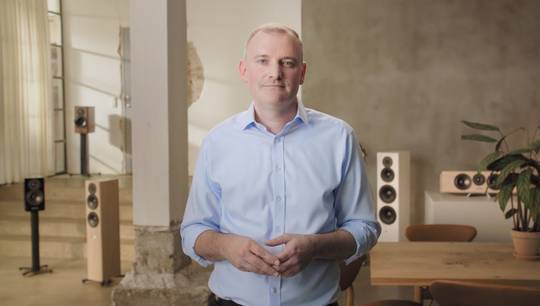
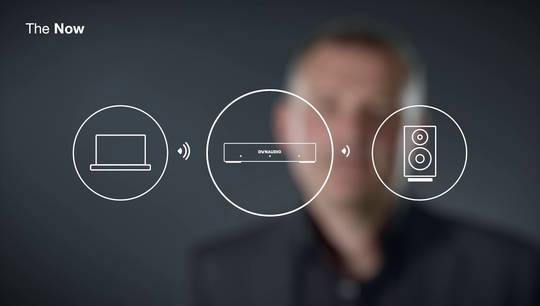
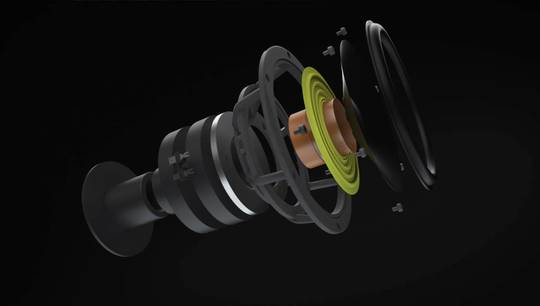
Jens Lynge Petersen, take one. [Speaks in Danish] We’re doing it in English, right? My name is Jens Lynge Petersen, and I'm the CTO here in Skanderborg, Dynaudio, heading the R&D department. and also technology and research among that. Tell me about the new Focus speaker. Yeah. I took over this project back in 2019 when I arrived into the R&D in my job as it is now. And at that time we did a, shall we say… review of everything that was started. We actually reviewed everything, turned and – should we say – measured and also corrected where we thought that would be adequate to do that. Basically, I thought that the price that we are going to set this speaker to, it also has to come with with a better than a 'market standard' setup. Feature-wise. Dynaudio sound... that, we cannot question. So that is a must. It just have to sound as one of the best speakers in the world. So that's given. Technology-wise we are looking at maybe the most complex speaker that Dynaudio has ever made. Here we are talking a full-blown streaming machine that can do almost everything that is on the market today. Looking into the motor and the whole feature setup, we needed to also there be over-compatible with the rest of the best. It is a high end, hi-fi speaker that are able to connect to each other in a hi-fi setup via the WiSA technology, which is new. We have built in all streaming features: Spotify Connect, Tidal Connect. We have the newest technology based on Stream Unlimited modules, and we have the best amplifiers from Pascal. We have an architecture that is upgradable, coming with Dirac and other good stuff. So I think we have here a machine and a platform that we can build our future active speakers on. There is not a real – should we say – tough competitor to this speaker. So I think we have a unique speaker here. And now we’re going to set a standard. We have to take it from there again the next two, three, four, five years we have to develop even more. Adapt even more new technology. That's going to be tough for us, because it's really a streaming monster. It can do all kinds of things. When you make such products and when you add all these technological features into a product, it has to work. Because just as the customers expect the best sound when they're buying a Dynaudio speaker, they also expect, likewise, the best quality in feature setup and functionality and how it works. The whole user experience has to be in the same level as the sound quality. Otherwise it just becomes a little humouristic. We have maybe in the whole history of Dynaudio used the most time and effort and money on testing. Testing, testing, testing and testing again. We have had external tests, we have had internal tests. We have had a company from Aarhus that specialises in user experience to look at the product; to evaluate the product. Therefore, I think we are… we are on a level that Dynaudio has never been on before, quality-wise. But that's also needed when you do such a complex product. I think we have a set up here that is unique. The whole acoustic side of this, that's what I call just an obligation for us. It has to be good. That's what we live off. It has to be good. The rest of the user experience, when you make such a product as this, has to live up to the sound. We have full access to our back-end and front-end on our app. That means that we can correct things rapidly. There has also been hiccups in this project, for sure. Then, we had a little problem with a Japaneese chip-producer, that burned [down]. We have also delayed things for sure. But rather delay than making a mistake in the market. We had to change chip sets in the middle of development, which was a huge setback. We also need to be ready to adapt to this past and the trends that are going on at the moment in the whole of society for playing music. I see there's a growing market for high-end active products. We have seen active products until now – at least in my eyes – as products that are convenient to use, easy to use, but sound-wise… so and so. You can like it or not – and myself as an old hi-fi nerd, I love passive speakers and I love big amplifiers and cables and so on. There will always be a market for such guys like me. Also among the young people or the generation growing up now. But, more and more of the young people and the new generations, they will… They have not grown up with a hi-fi set-up in their house. They don't know what it is, simply. They have grown up with iPhones. They are growing up with portable products of all kinds of quality. And definitely not a market that we should enter, in my eyes. At least not in the low end. Because we don't have anything to do there. The market actually is divided a little bit. It stops somewhere below Focus. And then there comes something again above Focus. But there is a hole in between. And that's where Focus fits in very perfectly in that market right now. And as we look into the future, I would say: more and more of our loudspeaker lines will become active. Now, what is good for us is that Focus has… – even though it has been a difficult project for us – it has given us a lot of experience, competencies and knowledge in-house – and it has given us a platform that we can work on. An architecture that we can work on, and on, and on. And it has a fantastic sound. That is strong.